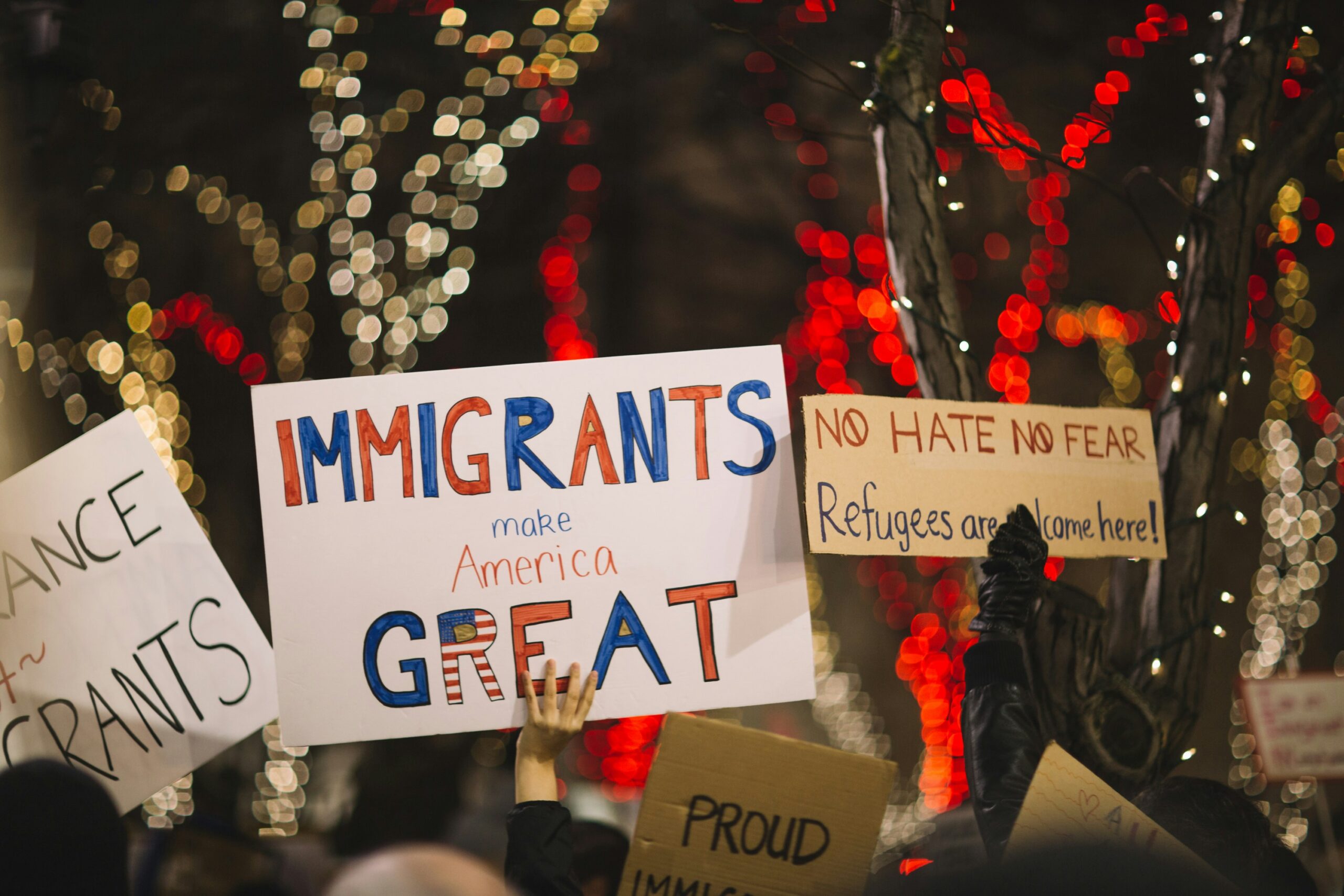
Why Refugee Stories Matter
Refugee stories help people understand why families leave their homes and seek safety somewhere new. These stories also show the strength and hope that people carry with them. When reporters share these stories with care, readers gain a clearer view of what refugees face. Immigration journalism best practices guide reporters so they can share these experiences with respect and truth. Good reporting makes space for real voices. It teaches the public about challenges and needs. It also helps people see the human side of the global movement.
The Role Of Immigration Journalism Today
Immigration journalism is more important today because more people move across borders for safety, work, or family. Some flee war or violence. Others search for a stable place where they can plan for the future. News stories help the public understand what drives these choices. Clear reporting also helps reduce fear or misinformation. When journalists follow immigration journalism best practices, they add balance and fairness to the public conversation. They offer facts without adding pressure or bias. They explain the systems and policies that shape a refugee’s journey in ways that everyday readers can understand.
Centering Human Voices In Refugee Stories
The heart of a refugee story is the person who lived it. Reporters must listen with patience and care. Many refugees have lived through painful moments. Some lost family members. Some left behind homes, they may never return to. A journalist’s job is to create a safe space where people feel ready to share.
When reporters center the human voice, they bring life to the story. They can explain facts about borders or laws, but it is the personal story that helps readers understand the real impact. Immigration journalism best practices encourage reporters to protect a person’s privacy when needed. This may include keeping names or locations private. Safety comes first.
Preparing For Interviews With Care
Before interviewing a refugee, a journalist should prepare with care. They should learn about the local conditions that shaped the person’s journey. They should avoid asking questions that may cause harm. Clear and gentle questions work best. Some people may not want to talk about certain memories. Reporters must show respect by accepting this choice.
A good interview also means giving enough time to speak. Rushed interviews can create stress. A calm setting helps build trust. The reporter should explain how the story will be used so the person feels informed. Consent is important during every step of the interview.
Avoiding Harmful Stereotypes
One of the key parts of immigration journalism best practices is avoiding harmful stereotypes. Refugees come from many places, cultures, and experiences. They are not all the same. Some came from large cities. Others came from rural areas. Some speak many languages. Some left with skills, degrees, or long professional backgrounds. When stories ignore these details, they create a flat picture that does not honor the full truth.
Journalists should avoid language that paints refugees as helpless or dangerous. Instead, they should show real strengths, challenges, and goals. Balanced language helps readers connect more deeply with the real people behind the headlines.
Using Simple And Clear Language
Clear language helps readers of all ages understand refugee stories. Long or complex sentences can confuse the message. Simple language does not take away the depth of a story. It helps the main ideas shine through. Grade 8 readability supports the goal of making immigration journalism more open to the public.
Simple language also reduces the chance of misunderstanding cultural terms or legal details. When a concept is complex, the reporter should explain it in everyday words. For example, instead of using technical policy terms, they can break the meaning into short and clear sentences.
Checking Facts With Extra Care
Refugee stories can involve sensitive details. Journalists must check facts with care because mistakes can harm people or create confusion. When reporting on policies, border procedures, or legal steps, accuracy is essential. Immigration journalism best practices encourage reporters to double-check dates, numbers, and locations. It is also important to compare official sources with independent reports.
When a refugee shares a personal detail that cannot be confirmed, a reporter should handle the information with caution. They may include it as part of the personal narrative, but should avoid presenting it as an established fact. Transparency builds trust with readers.
Showing Context Without Overloading Details
A refugee story is not only about a single event. It often relates to a larger history or conflict. A reporter should offer enough context so readers understand why the person had to move, but not so much that the main story becomes hard to follow. Context should support the story, not bury it.
For example, instead of writing long background sections, the reporter can share short notes that explain the key issues. This keeps the story focused and readable while still giving the reader a clear picture of the situation.
Respecting Culture And Identity
Culture shapes how refugees see the world and how they tell their stories. Respecting culture is a key part of immigration journalism best practices. This includes asking people how they want to be identified. It also means understanding cultural customs that may affect how they speak or what they feel comfortable sharing.
A reporter should never force a person to share details that conflict with their beliefs or traditions. Respect builds trust, and trust helps create more honest stories. When culture is shown with care, readers gain a richer understanding of the person behind the story.
Photographing With Sensitivity
Photos can help bring a story to life, but they can also create risk. Some refugees may fear being identified. Others may not want their children photographed. Immigration journalism best practices advise reporters to ask before taking any photos. They should explain where the images will appear and how they may be used.
Photos should show people with dignity. Avoid images that show people in painful or vulnerable situations unless they give clear consent. A respectful photo supports the narrative without taking advantage of the subject.
The Power Of Follow-Up Reporting
A single story often does not show the full journey of a refugee. Follow-up reporting allows readers to see change over time. It can show progress, setbacks, or new challenges. It helps people understand that resettlement is not a quick process. It takes time to adjust to a new country, learn a new language, and rebuild a life.
Follow-up stories also give reporters a chance to check in with the people they interviewed. This helps maintain trust and shows respect for their long-term well-being.
Why Best Practices Build Stronger Journalism
Good journalism depends on fairness, clarity, and respect. When reporters follow immigration journalism best practices, they build deeper stories that help the public learn and empathize. They also protect the safety and dignity of the people who share their lives with them.
Refugee stories remind us that behind every global issue, there are real people who hope for safety and stability. When journalists write these stories with care, they help create a world where understanding and compassion guide the conversation.