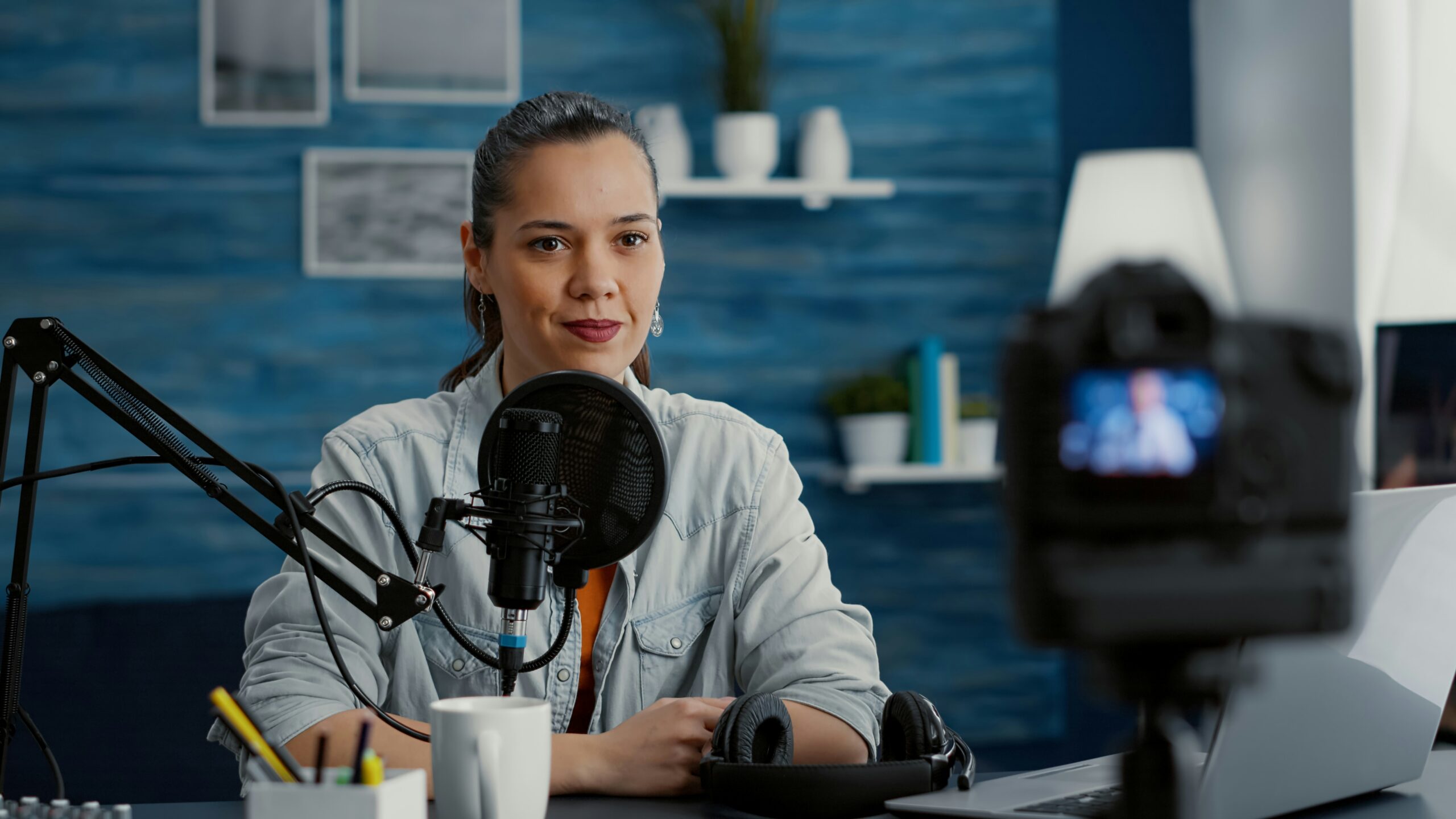
Radio has always built strong relationships through voice, personality, music, news, and conversation. However, modern audiences do not organize their media habits around a broadcast schedule. They move between smartphones, websites, social platforms, streaming services, and podcasts throughout the day. Digital content creation helps radio stations follow listeners into those spaces. Instead of allowing a program to disappear after airtime, stations can transform important moments into content that remains available. Interviews, discussions, entertainment segments, and expert commentary can all continue attracting attention long after the original broadcast ends.
This shift does not mean traditional radio has lost its value. In fact, digital platforms can strengthen the original broadcast by giving audiences more ways to discover and revisit it. A listener may hear part of an interview during a morning commute, then watch the complete conversation online that evening. Someone else may discover a short social media clip and later become a regular radio listener. By connecting broadcast programming with digital channels, stations can create a larger media experience without abandoning the qualities that make radio personal and immediate.
Turning Broadcast Moments Into Digital Content
One radio program can provide material for several digital formats. A strong interview can become a podcast episode, short video, website article, social media clip, quote graphic, or email feature. Producers do not need to create every digital piece from scratch. Instead, they can identify valuable moments within existing programming and adapt them for different channels. This approach makes radio content creation more efficient while helping important conversations reach people who missed the original show. It also allows stations to give successful segments a much longer useful life.
The key is adaptation rather than simple repetition. A thirty-minute radio interview may work well as a complete podcast, but social media audiences may respond better to a focused sixty-second clip. A complex news discussion might become a short article that highlights the main facts and links to the full audio. An entertaining studio moment could become a vertical video for mobile viewers. Each format should match the habits of the audience using that platform. Thoughtful adaptation helps digital extensions feel useful instead of recycled.
Podcasts Give Radio Programming a Longer Life
Podcasts are one of the most natural ways to extend radio programming because both formats depend heavily on audio storytelling. Stations can publish complete shows, selected interviews, special discussions, or original podcast series inspired by existing programs. On-demand access removes the limits of the broadcast clock. Listeners no longer need to be available at a specific hour. They can hear content while driving, exercising, working, traveling, or relaxing at home. That flexibility can introduce radio personalities and programs to audiences beyond the station’s normal broadcast reach.
Podcasting can also create room for deeper conversations. A live radio segment may have strict timing because of news updates, advertisements, music, or other scheduled programming. A digital version can include extended questions, additional context, or bonus material that could not fit into the original broadcast. This gives loyal listeners something extra while protecting the pace of the live show. Over time, a strong podcast library also becomes a searchable collection of valuable audio content that continues attracting listeners after publication.
Video Adds a New Dimension to Radio
Radio is built around sound, but video content for radio stations can make broadcasts more personal, visual, and engaging. Studio cameras allow audiences to see hosts, guests, musicians, and producers during interviews, performances, and important discussions. Short-form clips can support radio audience engagement, social media marketing for radio, and digital radio content strategy by turning memorable broadcast moments into shareable videos. Even simple studio footage can strengthen online radio visibility, attract younger digital audiences, and help listeners connect more closely with the voices they already know.
Short-form video is especially useful for expanding radio audience engagement. Producers can select one strong question, surprising answer, funny exchange, or useful insight and turn it into a brief video. Captions make the content accessible to people watching without sound. Clear headlines can quickly explain why the clip matters. When viewers find the moment valuable, the station can guide them toward the complete interview, podcast, or live broadcast. In this way, short video becomes an entry point rather than a replacement for longer radio programming.
Websites Turn Broadcasts Into Searchable Resources
A station website can give radio content lasting visibility. Audio alone can be difficult for search engines and busy readers to understand quickly. Supporting a broadcast with a written article, summary, transcript, or key takeaway page can make the subject easier to discover through online search. Relevant headlines, clear descriptions, internal links, and useful keywords help people find programming when researching specific topics. This strategy connects digital radio content with search behavior and creates opportunities to attract audiences who were not originally looking for a radio station.
Written content also gives listeners more control over how they consume information. Someone may not have twenty minutes to hear an entire interview but may have time to read a short summary. Another visitor may read the article first and then choose to play the full recording. Stations can also update web pages when stories develop, creating useful resources around ongoing topics. When audio, text, and supporting links work together, the station website becomes more than a schedule page. It becomes an organized digital destination.
Social Media Keeps the Conversation Moving
Social media gives radio stations an opportunity to continue conversations after a program ends. Hosts can ask follow-up questions, share behind-the-scenes moments, post memorable quotes, or invite listeners to respond to topics discussed on air. This creates a two-way relationship that traditional broadcasting cannot always provide. Audience comments can also reveal which subjects create the strongest interest. Producers may use that feedback to shape future interviews, segments, or special programs while maintaining clear editorial standards and responsible moderation.
Consistency matters more than posting constantly. Every platform does not need identical content, and every broadcast moment does not deserve a social post. Stations should focus on material that informs, entertains, or encourages meaningful interaction. A strong digital strategy connects individual posts to larger programming goals. When audiences regularly encounter useful clips, updates, and conversations, they become more familiar with the station’s personalities and programs. That familiarity can strengthen loyalty and encourage people to move between social channels, websites, podcasts, and live radio.
Building One Connected Radio Experience
Successful digital content creation for radio works best when broadcasters treat each platform as part of one connected experience. Live programs can introduce stories. Podcasts can explore them further. Video can highlight memorable moments. Websites can provide searchable context. Social media can keep audiences involved between broadcasts. These channels serve different purposes, but they should support the same editorial identity. Clear planning also helps production teams reuse strong material efficiently instead of constantly searching for unrelated ideas simply to keep digital accounts active.
Radio remains powerful because human voices create intimacy, trust, and connection. Digital media gives those voices more places to be heard. Stations that thoughtfully extend radio programming can meet audiences on their own schedules while preserving the character of the original broadcast. The goal is not to replace radio with digital media. It is to make valuable programming easier to discover, share, revisit, and understand. When broadcast and digital content work together, one radio conversation can continue reaching people long after the studio microphone goes quiet.